The Book
Santo Domingo, May 30, 1961. In the hours before dawn, a motorcade moves through the dark outskirts of the capital. Inside one of the cars, a group of men wait with weapons and thirty years of accumulated grievance.
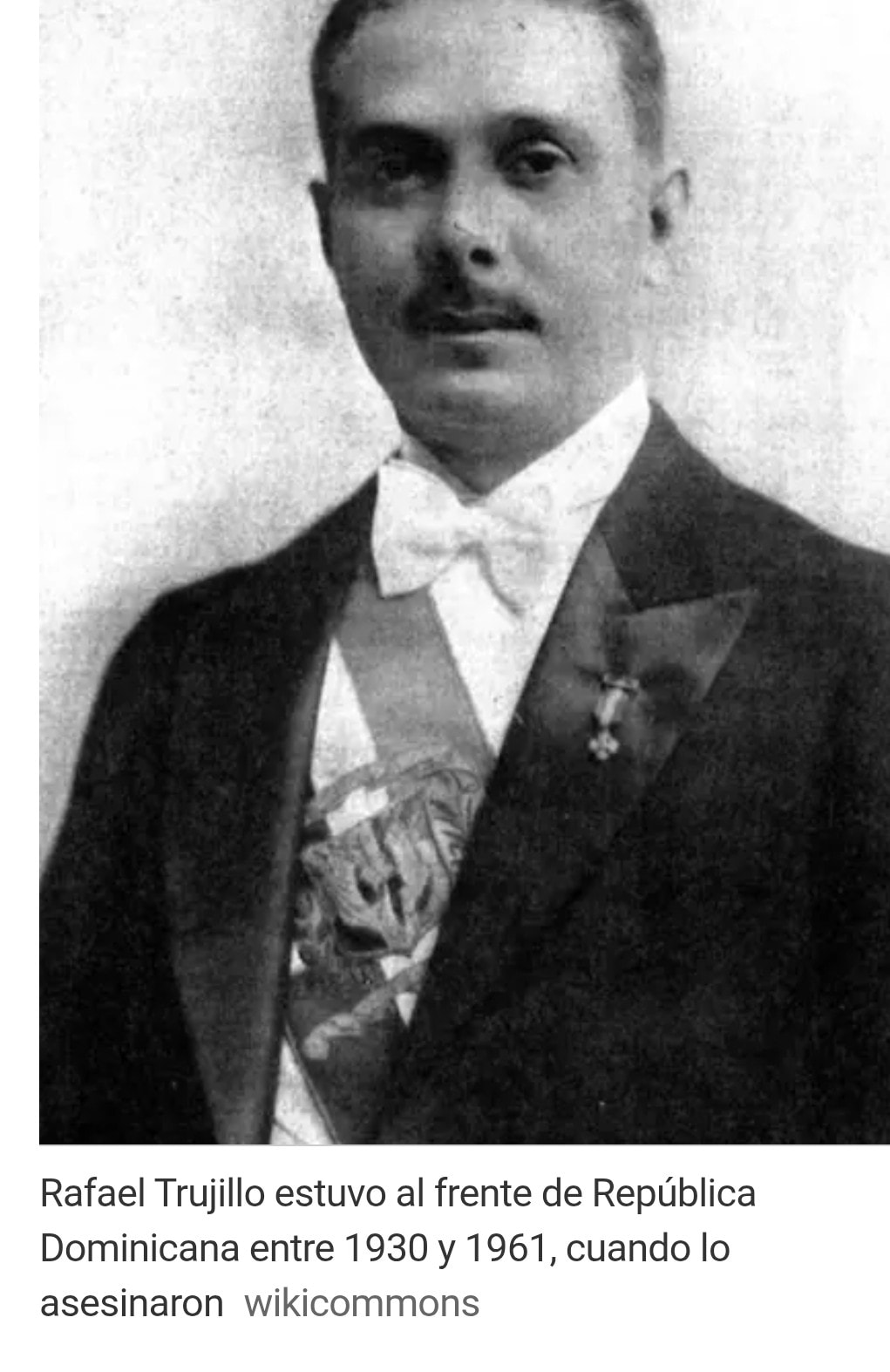
The Last Night of the Benefactor is a novel about the assassination of Rafael Leónidas Trujillo Molina — El Jefe, El Benefactor, the man who ruled the Dominican Republic for thirty-one years with a combination of terror, spectacle, and absolute personal authority. It is also a novel about the stories told afterward: who constructed them, what they omitted, and why certain versions of the past became official while others disappeared.
But it is not, finally, a novel about Trujillo. It is a novel about the people around him — the secretary who typed his letters, the general who looked away, the informer who told himself he had no choice. It is a novel about what it costs to live inside a system of absolute power, and what it means when that system suddenly ends and the survivors must decide what to remember and what to bury.
The novel merges fiction, archival research, and literary criticism into a single narrative voice — one that is aware of its own construction and refuses to present the past as settled. Drawing on declassified documents, oral histories, and the tradition of Latin American historical fiction, it approaches history not as a fixed record but as an ongoing argument between competing versions of truth.
It asks the question that haunts all political memory: not how did this happen, but who decided how we would remember it?
Historical Context
Rafael Trujillo seizes power in the Dominican Republic
The Parsley Massacre: 15,000–20,000 Haitians killed on Trujillo's orders
The Mirabal sisters assassinated; international condemnation grows
Trujillo assassinated on the road to San Cristóbal
Political transition, civil war, and U.S. intervention
The Work
Themes & Concerns
Political Memory
How a society remembers — and forgets — the violence done in its name. The novel explores the mechanisms of official amnesia and the counter-memories that survive underground.
Complicity & Survival
The moral landscape of those who lived under the Trujillo regime: the collaborators, the resisters, and the vast majority who simply endured. What does survival cost?
The Archive
Documents, photographs, testimonies — and their absences. The novel is haunted by what was destroyed, suppressed, or never recorded at all.
Metafiction
The novel is aware of its own construction. It asks: what right does a writer have to inhabit these lives? What is lost and what is invented in the act of historical fiction?
The Archive
Research & Sources
The novel is grounded in years of archival and historical research. The following sources were central to its making:
- —
Archival research drawing on declassified documents, government records, and the Trujillo-era press: La Nación, El Caribe, and the regime's propaganda apparatus
- —
Oral histories and personal testimonies from Dominican diaspora communities
- —
The scholarship of Roberto Cassa, Frank Moya Pons, and Lauren Derby on Dominican political history
- —
Declassified CIA and State Department records on U.S. involvement in the Dominican Republic, 1960–1966
- —
The literary tradition: Vargas Llosa, Junot Díaz, Edwidge Danticat, Javier Cercas, Laurent Binet, Pedro Mir
A Note on Method
"This novel does not pretend to be history. It pretends to be honest about the distance between what the archive contains and what actually happened — which is, I have come to believe, a more truthful position than pretending that distance does not exist."
The novel takes liberties with chronology and invents characters, but it does not invent the violence. Every atrocity described in these pages happened. The names have been changed. The facts have not.
Where documents contradict one another — and they frequently do — the novel preserves the contradiction rather than resolving it. The uncertainty is part of the record.
Read the Essays
The essays and research notes on this site document the thinking behind the novel — the questions it asks, the archives it consulted, and the literary tradition it inhabits.
Browse the Archive